
Mercury
Mercury is the smallest planet, now that Pluto has been re-designated as a dwarf planet, and is the closest planet to the Sun. Even so, Mercury isn’t the hottest planet in the Solar System; Venus wins that prize. However, Mercury has the most craters, orbits the fastest, and has the most irregularly shaped (oval) orbit in the solar system.
The planet also rotates slowly (a day is equivalent to 58 Earth days 16 hours on Earth). Mercury has no moons because it is so close to the Sun that any potential moon would get sucked into the Sun (this is also why Venus has no moons).
How big is Mercury compared to Earth?
If Earth was the size of a big beach ball, Mercury would be more like a small orange!
How long does it take for Mercury to orbit the Sun?
Mercury zooms around the Sun in just 88 days — super quick! It flies through space at 29 miles (47 km) a second, but takes 59 Earth days to spin once.
What is the surface of Mercury like?
Its greyish-brown surface is covered in craters from space rocks crashing into it. Some are named after famous artists, musicians, and authors — even Dr. Seuss!
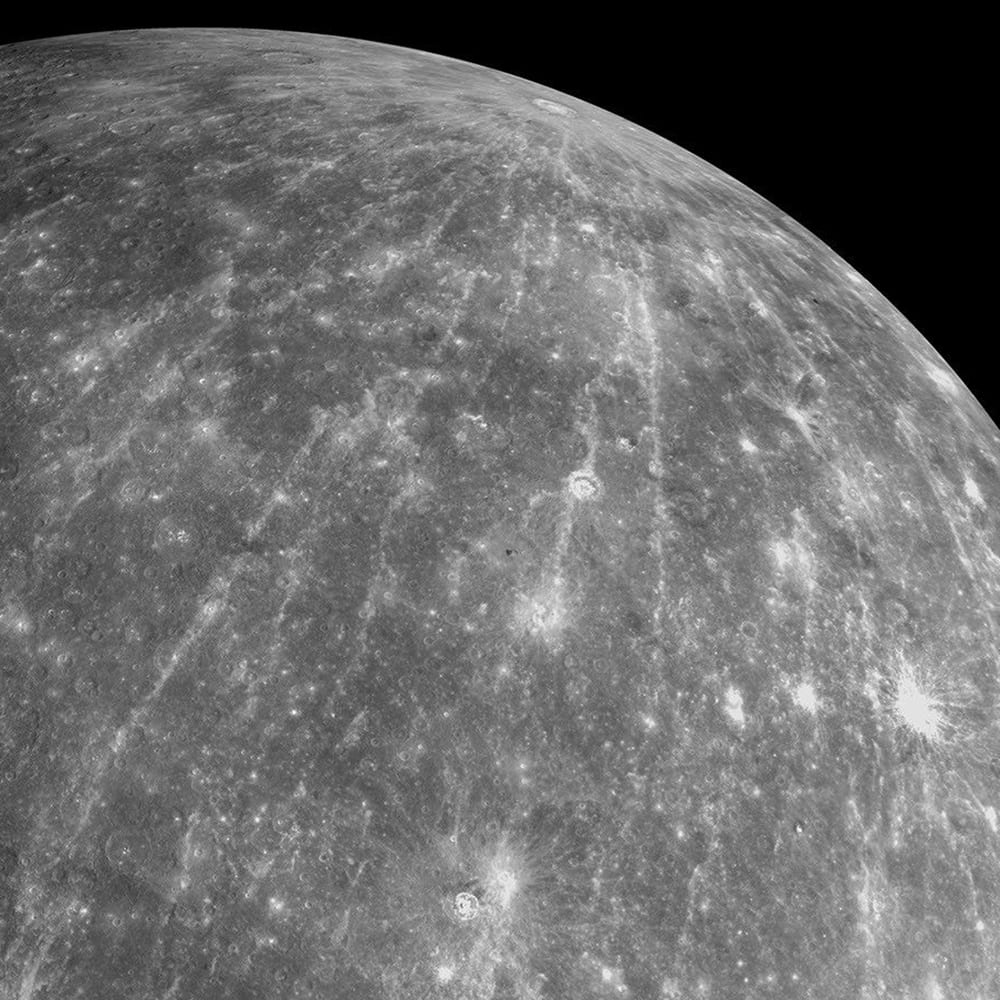
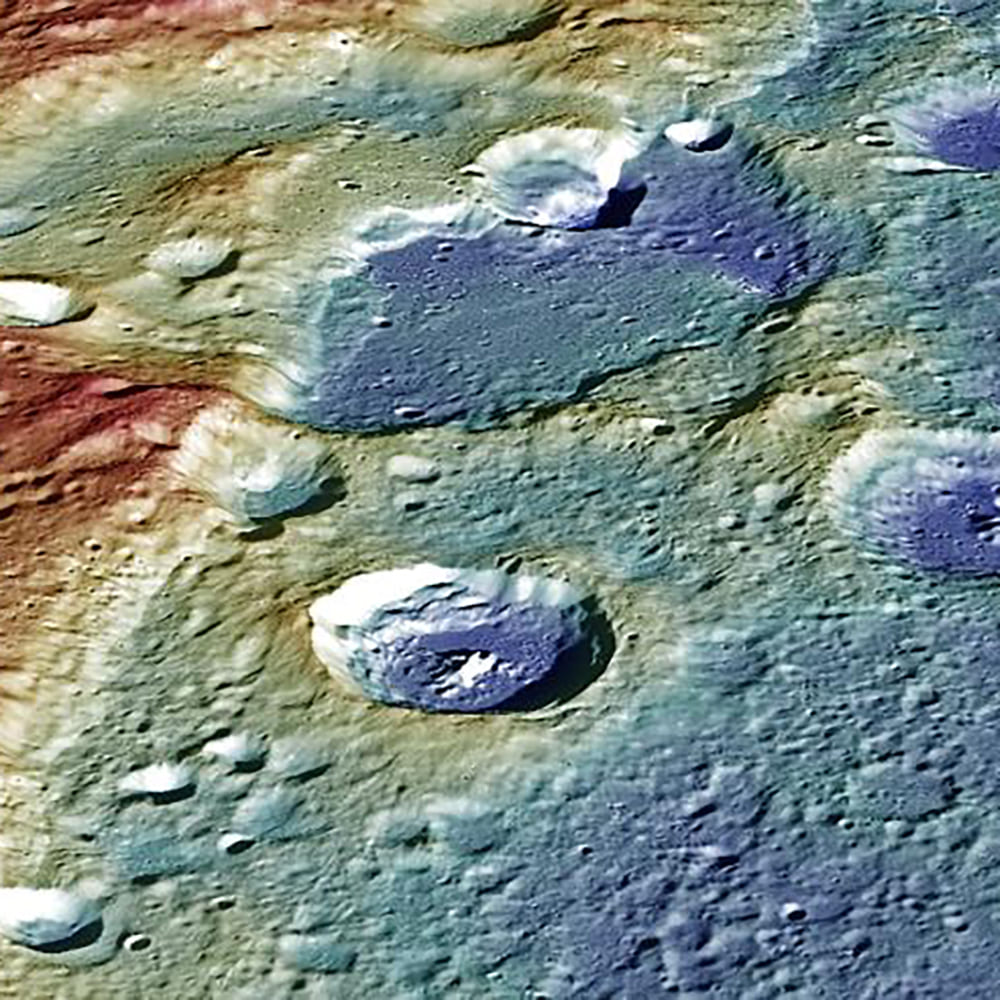

WOW! This planet is going to be really cool when we get there, but we haven’t gone there yet.
Are you ready for an Out Of This World Adventure?
-
Sale!
Cosmic Collection: Books 1–3 (Hardcover)
Original price was: $75.00.$67.50Current price is: $67.50. -
Sale!
Cosmic Collection: Books 1–3 (Paperback)
Original price was: $45.00.$40.50Current price is: $40.50. -
Skyler’s Space Adventures: An Unexpected Encounter (Hardcover)
$25.00 -
Skyler’s Space Adventures: An Unexpected Encounter (Paperback)
$15.00