
Mars

Once scientists decided that Venus wasn’t a good planet to go explore, Mars became the favorite planet. Called the red planet because of the rusted iron in crust, it is ~1/2 the size of Earth (but ~1/3 (38%) the gravity – I’ll explain this later). It is 1 of only 2 planets (Earth is the other) with polar ice caps. It has 2 moons called Phobos & Deimos. There are a lot of amazing things about Mars, but one of them is that it has a canyon that is almost TEN times as big as our Grand Canyon.
How big is Mars compared to Earth?
Mars is smaller than Earth! Its radius is 2,106 miles (3,390 km) — about half the size of Earth. If Earth was a big beach ball, Mars would be a smaller soccer ball!
How long does it take for Mars to orbit the Sun?
Mars takes a little longer to go around the Sun than Earth, making a full orbit 687 Earth days — one whole Mars year!
What is the surface of Mars like?
Mars is a cold, dusty desert world with a thin atmosphere, and its rocks and dust make it look red. Its surface has huge canyons, giant volcanoes, dry lake beds, and ice caps at the poles.
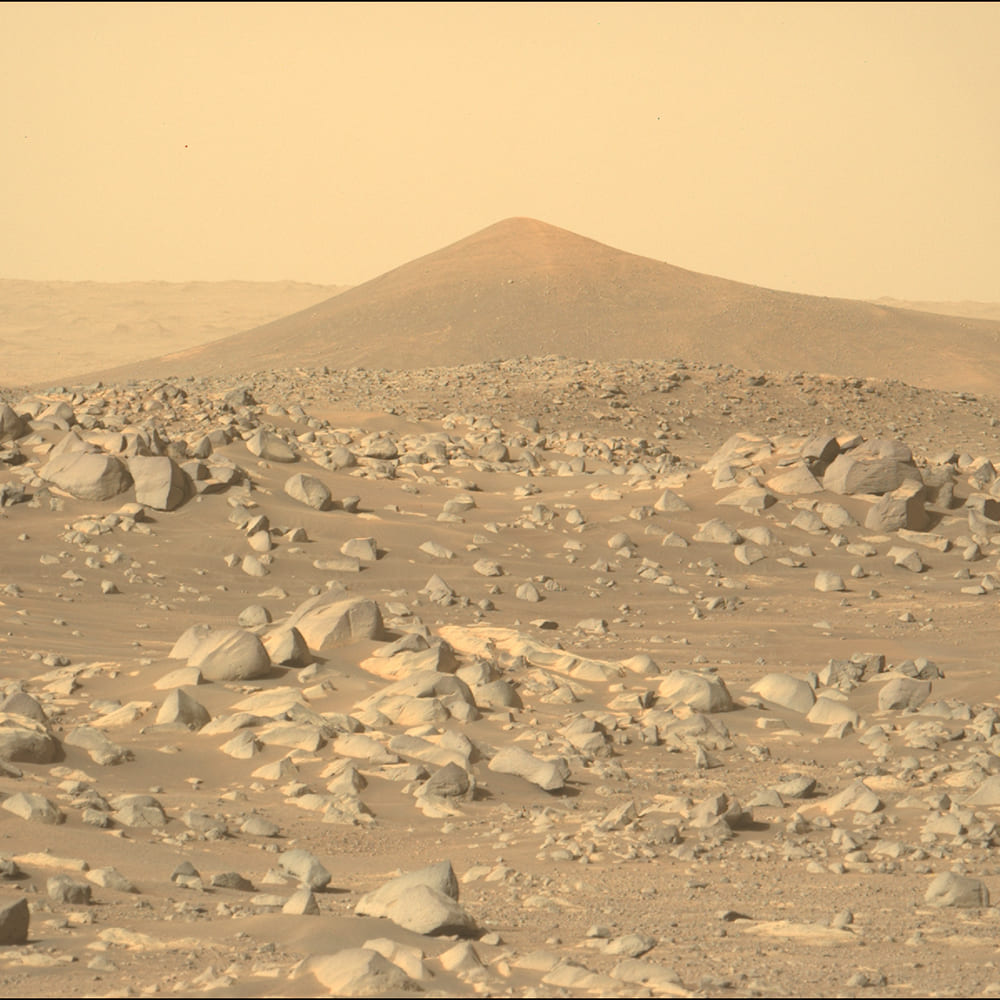
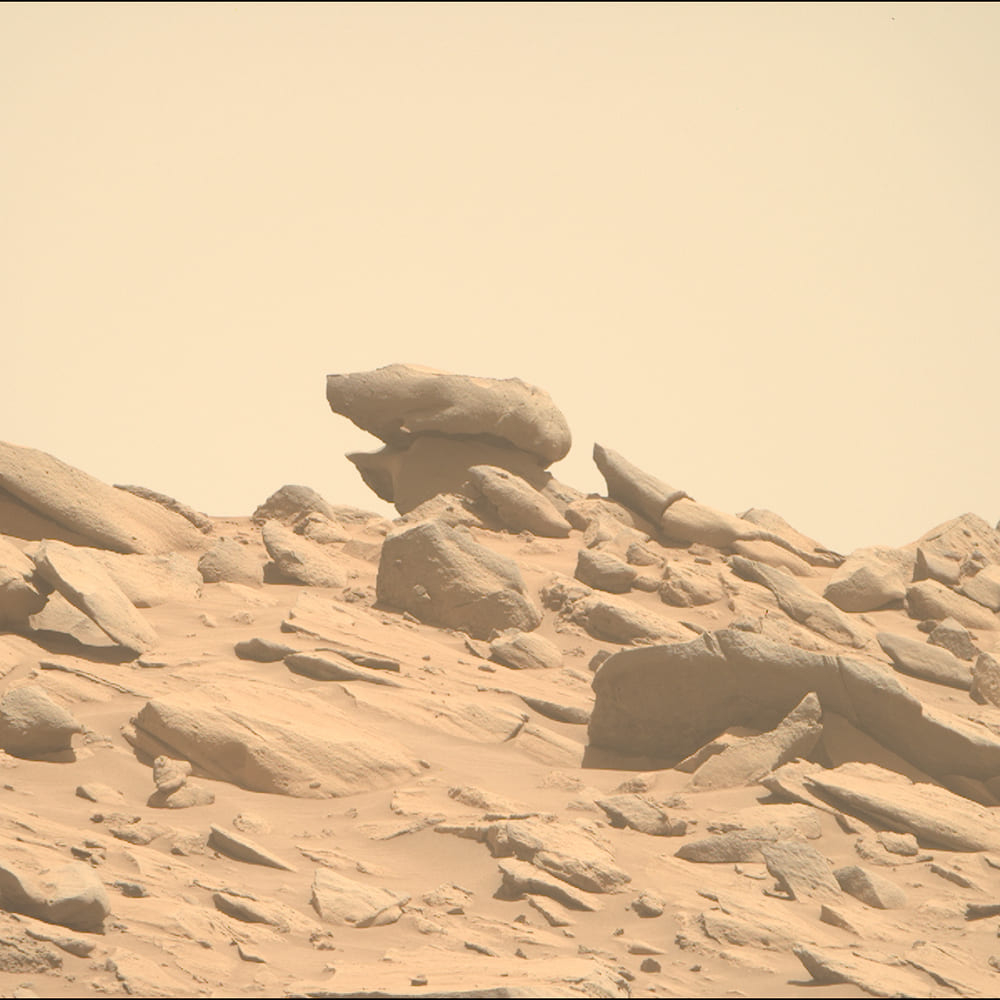
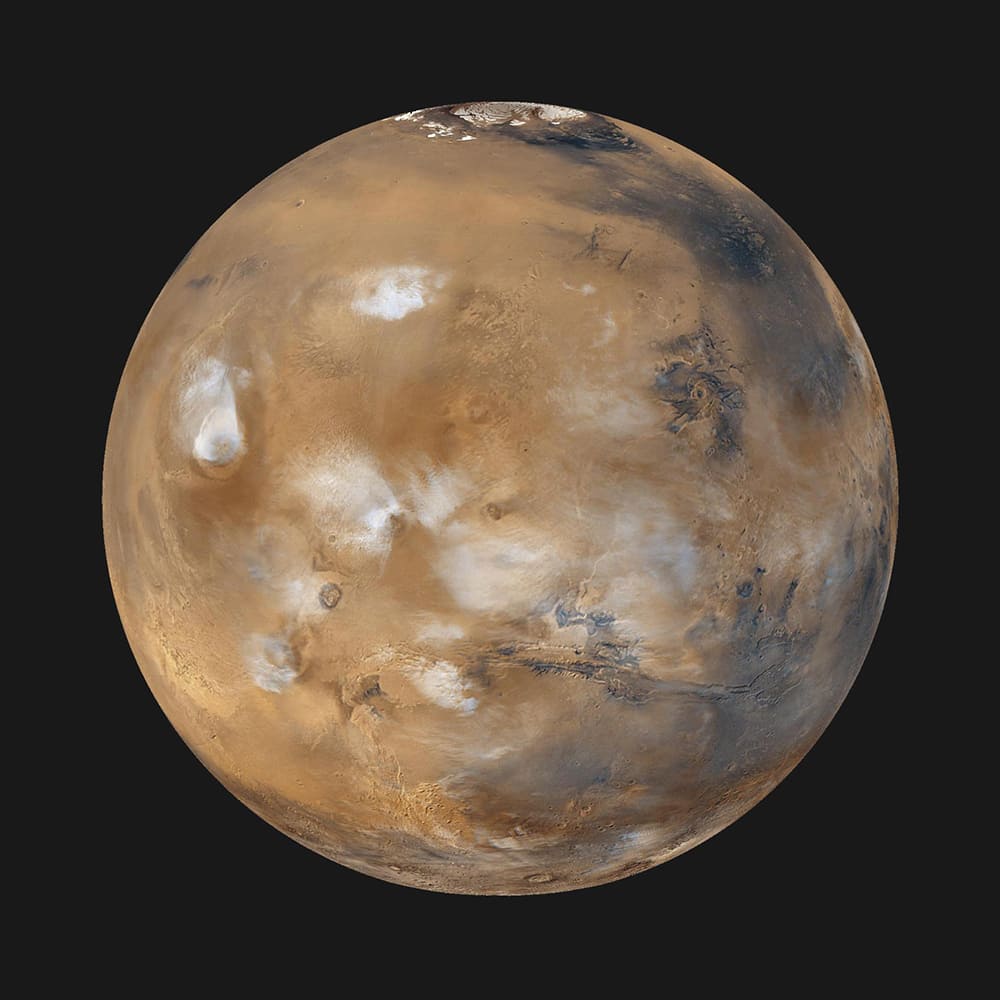
WOW! This planet is going to be really cool when we get there, but we haven’t gone there yet.
Are you ready for an Out Of This World Adventure?
-
Sale!
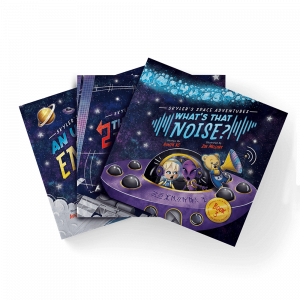
Cosmic Collection: Books 1–3 (Hardcover)
Original price was: $75.00.$67.50Current price is: $67.50. -
Sale!
Cosmic Collection: Books 1–3 (Paperback)
Original price was: $45.00.$40.50Current price is: $40.50. -
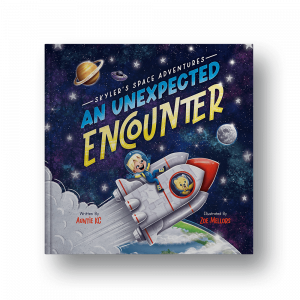
Skyler’s Space Adventures: An Unexpected Encounter (Hardcover)
$25.00 -
Skyler’s Space Adventures: An Unexpected Encounter (Paperback)
$15.00