
Earth

Looking back at the Earth from the Moon, the astronauts were shocked by how blue the Earth appeared. And it was the only bright blue object in their view.
It is one of the 3 planets that is not a sphere (round like a basketball), it is an oblate spheroid (bulgy at the equator, like a big belly). The Earth is made up mostly 4 elements – iron, oxygen, silicon, magnesium,
A day on Earth is 23 hours, 56 minutes, 4 seconds, and a year is 365.2564 days, which is why we have leap year every 4 years
Everyone knows what gravity is, but did you know that the gravity is not the same all over the planet (in fact, the ISS moves up and down due to differences in the gravitational pull). 70% of the planet is water, but only 2.5% of that water is fresh, and most of the water is frozen. Earth is the only planet we know of that has a crust (the top layer of the planet) that is in pieces that move. These are called tectonic plates.
How big is Earth?
Earth is 12,742 km (7,918 miles) wide and 40,075 km (24,901 miles) all the way around. That makes it the fifth biggest planet in our solar system.
How long does it take for Earth to orbit the Sun?
Earth takes about 365¼ days to go all the way around the Sun — that’s what we call a year. That extra ¼ day adds up, so every four years we add an extra day to the calendar: February 29th, known as Leap Day!
What is the Earth's surface like?
Earth is full of amazing places! It has tall mountains, deep canyons, wide plains, and huge oceans. Most of our planet is covered in water, and the land, sea, and air are always working together to shape our world.
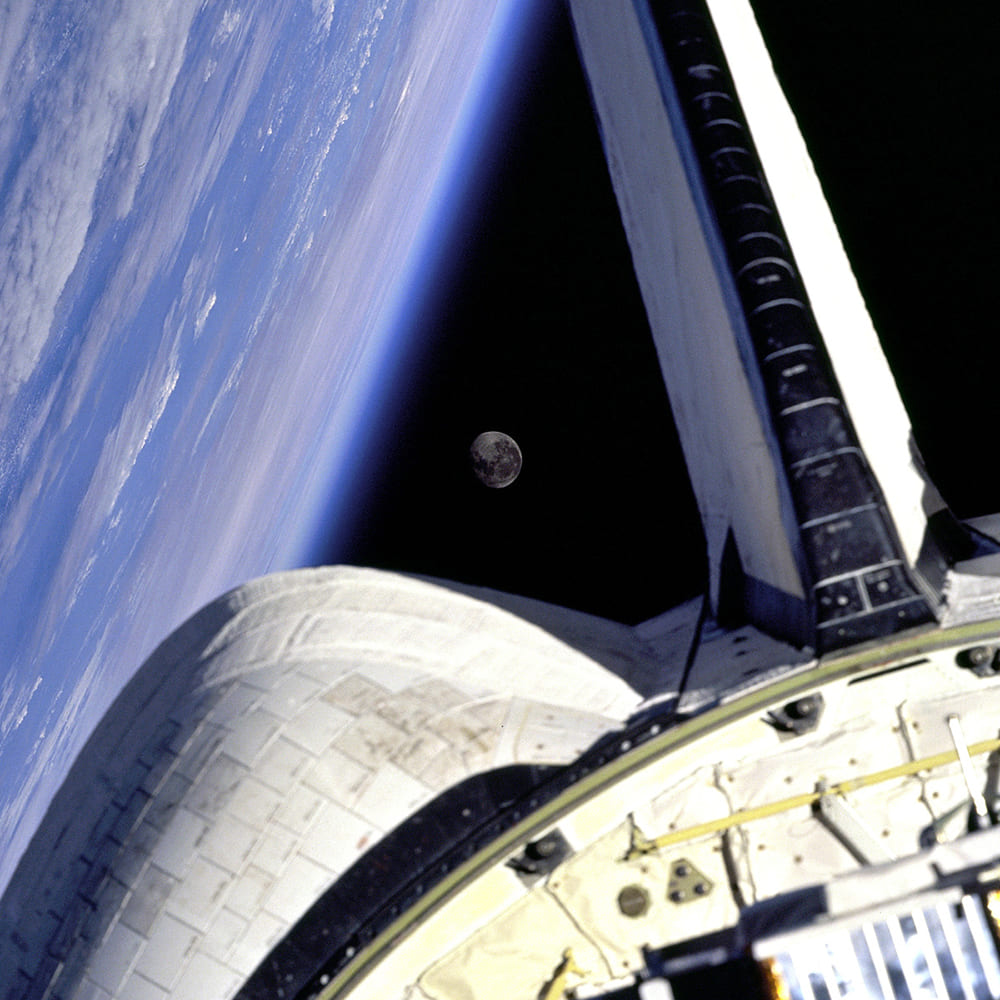
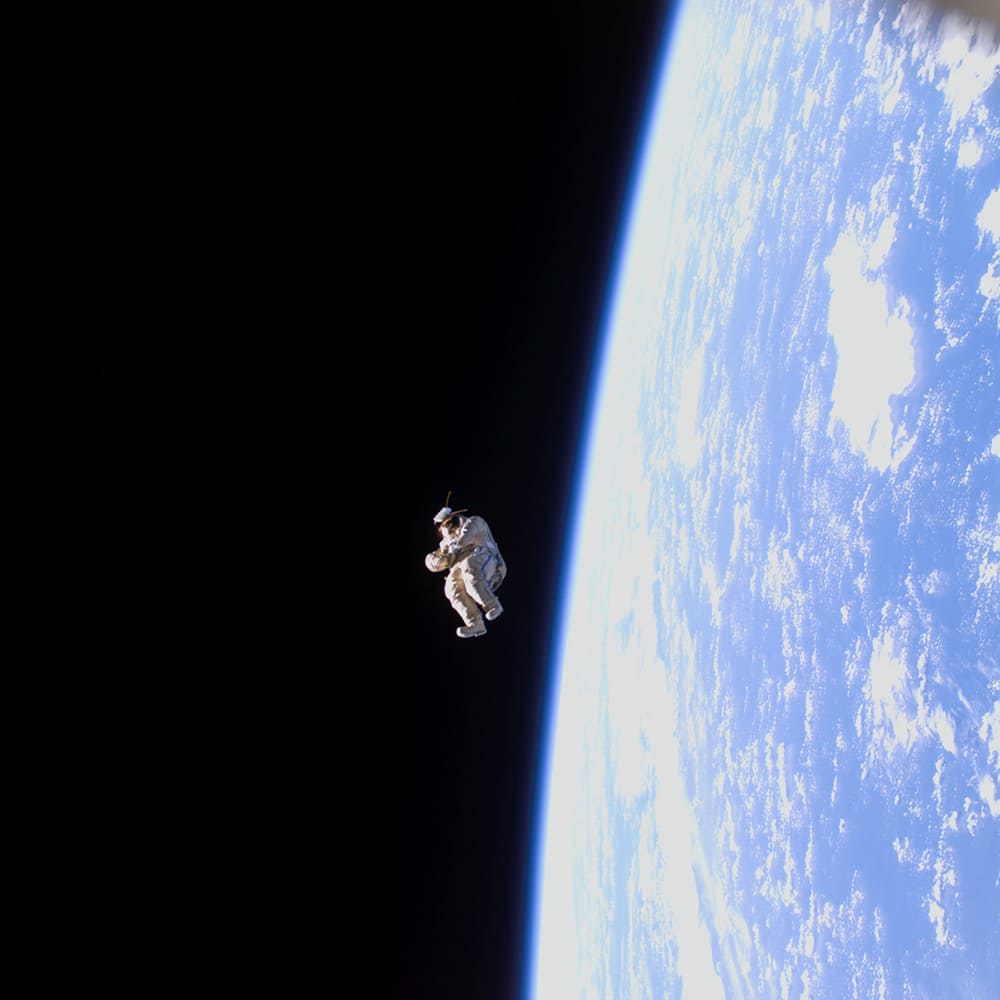
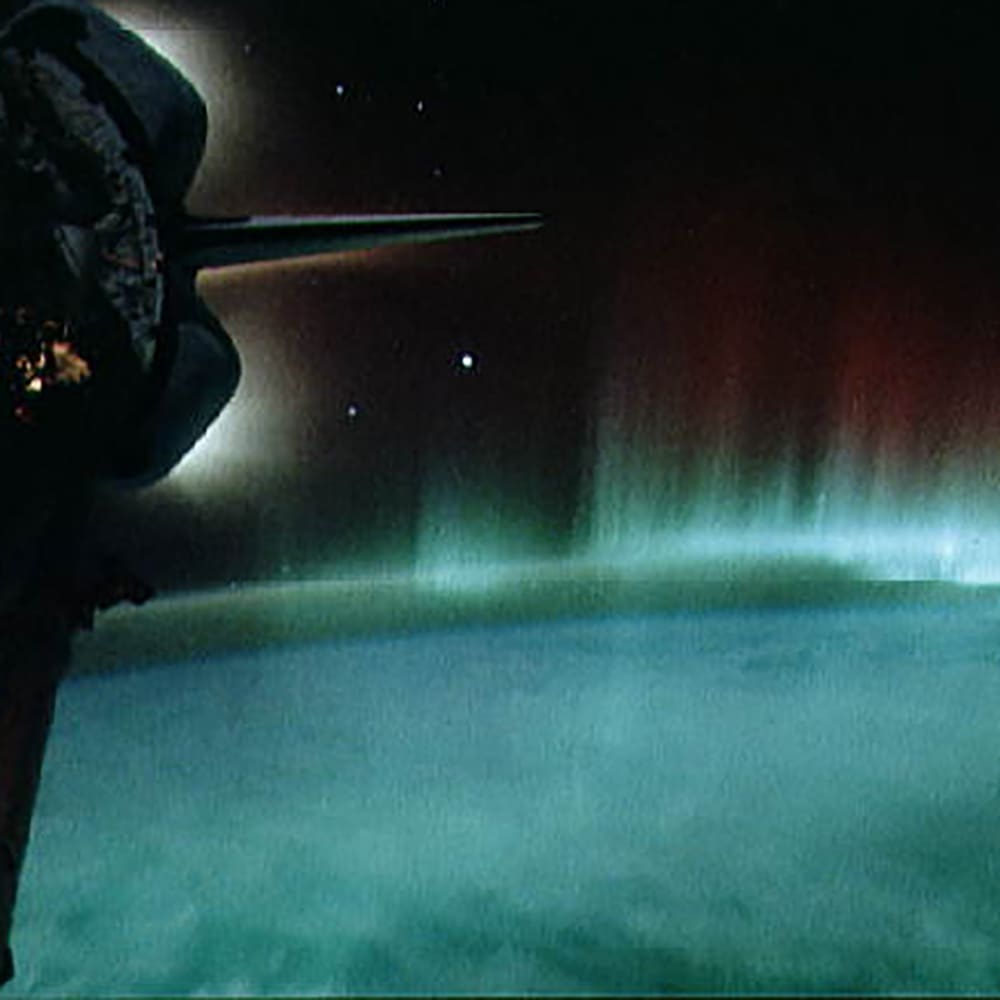
WOW! This planet is going to be really cool when we get there, but we haven’t gone there yet.
Are you ready for an Out Of This World Adventure?
-
Sale!
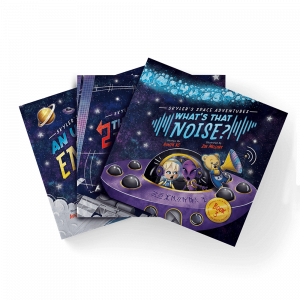
Cosmic Collection: Books 1–3 (Hardcover)
Original price was: $75.00.$67.50Current price is: $67.50. -
Sale!
Cosmic Collection: Books 1–3 (Paperback)
Original price was: $45.00.$40.50Current price is: $40.50. -
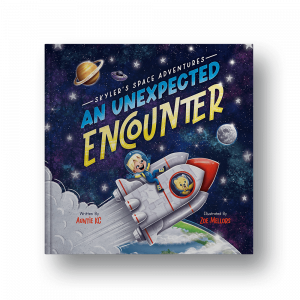
Skyler’s Space Adventures: An Unexpected Encounter (Hardcover)
$25.00 -
Skyler’s Space Adventures: An Unexpected Encounter (Paperback)
$15.00